The Rise of Biometric Systems in Airports
Over the past decade, biometric technology has quietly transformed from science fiction fantasy into a practical tool in airports across the globe. As of 2026, more than 85% of airports in major cities, including Atlanta, Dubai, and Singapore, have integrated some form of biometric systems to enhance passenger experience and security. With the global air travel industry expanding rapidly, processing an estimated 8 billion passengers annually, the efficiency and reliability that biometrics bring are nothing short of revolutionary.
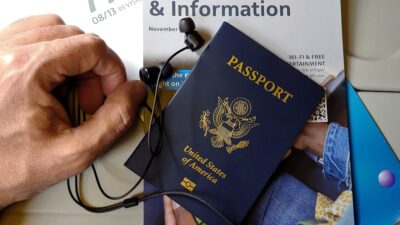
Gone are the days when travelers had to juggle between their boarding passes and passports. With biometric systems, a simple glance at a camera or a quick fingerprint scan suffices to verify one’s identity. Airports are not just moving people; they are evolving into hubs of technological innovation and efficiency.
Enhancing Security with Biometrics
Security has always been a top priority in air travel, and biometric technology provides a robust solution. Traditional ID checks, while effective, are time-consuming and susceptible to human error. Biometric systems, on the other hand, offer a seamless and highly accurate method of identity verification.
Take, for instance, the implementation of facial recognition systems at Beijing Capital International Airport. These systems can process up to 260 passengers per minute, a significant improvement over manual checks. By cross-referencing facial data with existing databases, authorities can swiftly identify potential threats without causing backlogs. This not only enhances security but also streamlines the flow of passengers through the airport.
Streamlining the Passenger Experience
Biometric technology is not just about security; it’s also about improving the passenger experience. Long queues at check-in counters and security checkpoints are a frequent complaint among travelers. Biometrics help address these issues by speeding up the entire process.
For example, at Changi Airport in Singapore, the implementation of biometric-enabled bag-drop machines means travelers can check in their luggage in under a minute. Similarly, Delta Airlines’ biometric boarding at Atlanta’s Hartsfield-Jackson Airport allows passengers to board flights using facial recognition, significantly reducing boarding times. It’s these little conveniences that add up, making travel smoother and more enjoyable.
Privacy Concerns and Data Security
With the rise of biometric technology comes the inevitable discussion around privacy and data security. Collecting personal biometric data, such as fingerprints and facial images, raises legitimate concerns about data misuse and breaches.
Airports and airlines have been proactive in addressing these concerns. For instance, the European Union’s General Data Protection Regulation (GDPR) sets stringent requirements for the secure handling of biometric data. Airports adopting these technologies are required to comply with such regulations to ensure passenger trust and data integrity. Moreover, many systems now use encryption and anonymization techniques to protect users’ information, reassuring travelers that their data is secure.
Future Innovations and Possibilities
As technology continues to advance, the potential applications of biometrics in air travel are bound to expand. Concepts like biometric loyalty programs, where frequent flyers can access lounges or obtain upgrades through facial or fingerprint recognition, are already in the works. Furthermore, smart airports are exploring ways to integrate biometrics with IoT devices to offer personalized services, such as intelligent navigation through airport terminals or real-time updates on flight status.
London’s Heathrow Airport is already piloting a biometric ecosystem that connects the entire passenger journey, from check-in to boarding gate, providing a more integrated and seamless travel experience. Such innovations hint at a future where air travel is not just efficient but also tailored to individual passengers’ needs.
Practical Takeaway
For travelers, embracing biometric technology means preparing for a more streamlined and secure travel experience. While there might be initial concerns about privacy, the benefits of reduced wait times, enhanced security, and a more personalized journey are significant. Passengers should stay informed about the latest developments and be ready to adapt, ensuring they can make the most of these technological enhancements. By understanding and cooperating with these systems, everyone can contribute to a smoother journey for all.