The Shift from Mass to Personalized Travel
Gone are the days when flying was a one-size-fits-all affair. In 2026, airlines have pivoted toward creating tailor-made experiences for travelers. By leveraging advanced data analytics and customer feedback, airlines now offer bespoke services that cater to individual preferences. Whether it’s choosing the ambiance of your cabin or pre-selecting in-flight entertainment, personalization is now at the heart of air travel.
For instance, Air New Zealand has introduced ‘SkyChoice’, a feature that allows passengers to customize their flight experience down to the type of pillow they prefer. This shift not only enhances passenger satisfaction but also increases brand loyalty, as travelers feel more valued and understood.
Digital Concierge Services
Airlines are now transforming the way passengers interact with their services through digital concierges. Using AI-driven chatbots and mobile apps, travelers can access real-time assistance throughout their journey. These digital concierges can help with everything from rebooking flights due to unexpected delays to providing personalized itinerary suggestions for layovers.
For example, Delta Air Lines’ ‘SkyBot’ has become a digital companion to many, helping passengers navigate airport logistics and even book last-minute accommodations. This technology not only streamlines the travel process but also adds an element of human touch, albeit virtually.
In-Flight Experiences Tailored to Mood and Preferences
Today, airlines are offering a range of services that adapt to the mood of the traveler. Emirates has taken the lead by introducing ‘MoodMatch’, a program that adjusts in-flight lighting, music, and even meal options based on the passenger’s mood. Using smart wristbands, the airline can monitor stress levels and adjust cabin settings to ensure a relaxing journey.
Moreover, airlines are partnering with local musicians and artists to offer entertainment options that reflect the cultural tapestry of a passenger’s destination. This not only enriches the travel experience but also educates passengers about the places they are visiting.
Personalized Loyalty Programs
As customer loyalty becomes more crucial, airlines are revamping their frequent flyer programs to offer personalized benefits. Instead of generic points systems, travelers can now choose rewards that genuinely matter to them. Whether it’s a free yoga session at a partner studio or a gourmet meal voucher at a destination restaurant, flexibility is at the core of these programs.
British Airways has introduced ‘Avios Select’, a loyalty scheme that allows passengers to tailor their rewards. From preferential boarding to bespoke travel kits, these perks are designed to resonate with the modern traveler who values choice and exclusivity.
The Role of Biometric Technology in Personalization
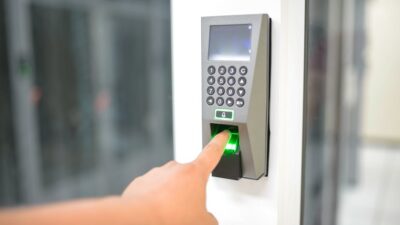
Biometric technology is playing a pivotal role in personalizing the passenger experience. From facial recognition check-ins to fingerprint boarding passes, the focus is on making air travel seamless and secure. This technology not only speeds up the boarding process but also reduces the need for physical documentation, providing passengers with a stress-free start to their journey.
Singapore Airlines, for example, has integrated biometric data into their customer service operations, allowing for a more customized in-flight experience. By recognizing frequent flyers, the airline can anticipate needs and preferences, offering a level of service that feels almost intuitive.
Takeaway: The Future of Flying is Personal
Airlines are reshaping the travel landscape by investing in technologies and services that prioritize personalization. For travelers, this means a more comfortable, efficient, and enjoyable journey, tailored to individual preferences and needs. As we look toward the future, the trend of personalized service is likely to become even more sophisticated, promising innovative experiences that redefine what it means to fly.