The Return of Supersonic Travel
The buzz surrounding supersonic travel is making waves once again, promising to revolutionize air travel by bringing back faster-than-sound commercial flights. Since the retirement of the Concorde in 2003, aviation enthusiasts and frequent flyers alike have been eagerly anticipating the return of supersonic passenger jets. With several companies poised to launch their supersonic fleets by 2027, this dream is closer than ever. Imagine zipping across the Atlantic in just over three hours—supersonic travel is no longer a fantasy but a tangible reality on the horizon.
What’s Fueling the Supersonic Comeback?
A combination of technological advancements, market demand, and environmental considerations are driving the resurgence of supersonic travel. Today’s supersonic jets are being designed with cutting-edge materials and aerodynamic technologies, which promise to make them more fuel-efficient and environmentally friendly. Companies like Boom Supersonic and Aerion Supersonic are at the forefront, with Boom’s Overture jet and Aerion’s AS2 model aiming to redefine speed and efficiency in the skies. These aircraft are expected to produce 75% less noise pollution compared to their predecessors, addressing one of the major public concerns from the Concorde era.
Supersonic Routes and Destinations
The initial phase of supersonic travel will likely focus on high-demand transoceanic routes. For instance, New York to London or Paris to Montreal could become the first cities to connect commercially via supersonic flights. Airlines are already in talks to secure these lucrative routes, predicting a significant demand from business travelers who value time over cost. In the near future, we might see these jets expanding their reach to Asia-Pacific routes, fundamentally altering the business travel landscape and making long-haul flights a breeze.
Challenges and Considerations
Despite the excitement, several challenges loom on the path to supersonic commercialization. Regulatory hurdles, noise restrictions, and high operational costs are significant barriers that companies need to overcome. The International Civil Aviation Organization (ICAO) and local aviation authorities are revisiting noise regulations to accommodate these faster aircraft. Moreover, the environmental impact remains a pressing concern. Companies are investing in sustainable aviation fuels (SAF) and innovative propulsion systems to minimize carbon footprints. As such, the green aspect of supersonic travel is under intense scrutiny, with manufacturers pushing for net-zero carbon operations.
The Experience Aboard a Supersonic Jet
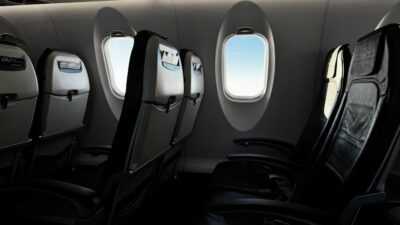
What can passengers expect from a supersonic flight experience? These jets promise not only speed but also luxury. With fewer seats than conventional aircraft, the focus is on providing unparalleled comfort and personalized service. Picture spacious seating arrangements, gourmet dining options, and cutting-edge in-flight entertainment tailored to the short duration of flights. The cabin design will likely mirror the sleek and futuristic exterior of the jets themselves, offering an experience that combines elegance with efficiency.
The Long-term Impact on Air Travel
The reintroduction of supersonic jets is set to transform the aviation industry profoundly. Airlines operating these jets could gain a competitive edge, attracting a premium clientele willing to pay for time-saving travel. Over time, as these technologies mature and become more cost-effective, there’s potential for wider adoption and even democratization, making supersonic travel accessible to a broader audience. Moreover, the push towards greener technologies within this sector could spur advancements across all types of air travel, setting new sustainability benchmarks for the industry.
Practical Takeaway: As we stand on the brink of a new age in aviation, staying informed about these developments could position frequent travelers to take advantage of faster travel options soon. Whether it’s for business or leisure, the era of supersonic travel promises to reshape how we think about international flights—bringing the world closer together, one supersonic flight at a time.