10 Things You Didn’t Know About Supersonic Passenger Flights
Supersonic passenger flights have captured the imagination of travelers and aviation enthusiasts alike, promising to shrink the world with unprecedented speed. This technological marvel has been evolving rapidly, particularly as we zoom through the 2020s. Here are 10 fascinating aspects of supersonic passenger flights that you might not know.
The Legacy of Concorde Lives On
Many people think the story of supersonic travel ended with the Concorde’s retirement in 2003, but its legacy is very much alive today. Concorde, which could travel over twice the speed of sound at Mach 2.04, laid the groundwork for future innovations. Its limitations, like high operating costs and noise pollution, have informed new developments, leading modern engineers to push the boundaries of efficiency and environmental consciousness.
More Airports Can Handle Supersonic Flights
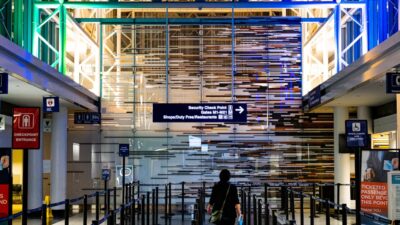
A common misconception is that only a handful of airports can accommodate supersonic jets. However, advancements in technology mean that more airports globally are being equipped to handle these high-speed aircraft. Airports in major cities like Los Angeles, New York, London, and Tokyo are upgrading their facilities to welcome the return of supersonic travel.
Environmental Concerns Addressed Head-On
Environmental impact is a hot topic in aviation, and supersonic flights are no exception. The new breed of supersonic jets is being designed with greener technology. Aircraft manufacturers are exploring sustainable fuels and innovative engine designs to minimize carbon footprints. For example, companies like Boom Supersonic are committing to making their flights carbon neutral, addressing one of the main criticisms faced by their predecessors.
Flight Routes Are More Diverse
The routes available to supersonic passenger jets are expanding beyond the transatlantic flights that Concorde was famous for. New aircraft are designed to operate over land, thanks to noise reduction technologies that mitigate the infamous sonic boom. This means routes like Los Angeles to Sydney or Tokyo to London could potentially become new supersonic corridors, drastically reducing travel time across various continents.
Reduced Travel Times: A Business Boon
One of the most compelling reasons for the resurgence of supersonic travel is its potential impact on business. Cutting travel times in half or more means business trips can become far more efficient, allowing executives to traverse multiple continents within a single day. This unprecedented speed could enable faster deal-making and more global meetings, revolutionizing the way businesses operate internationally.
Supersonic Jets Are Quieter Now
The sonic boom, a loud and potentially disruptive noise produced when aircraft exceed the speed of sound, has been a major hurdle for supersonic travel. However, engineers have made significant strides. NASA and other aerospace companies are testing technologies that soften the boom into a gentle thump, allowing jets to fly over populated areas without causing disturbances.
The Cost of Supersonic Tickets Is Expected to Fall
In the past, the cost of a Concorde ticket was prohibitively high for most travelers, often costing several thousand dollars one-way. Today, the industry is aiming to make supersonic travel more accessible. Companies are exploring innovative cost-cutting measures and economies of scale to lower ticket prices. If predictions hold, supersonic flight could become affordable for a broader range of travelers by the end of this decade.
Regulatory Approvals Are Accelerating
Gaining regulatory approval for supersonic flights is a complex process, but it’s moving faster than many expected. The International Civil Aviation Organization (ICAO) and national aviation authorities are working closely with aerospace companies to establish regulations that ensure safety and minimize environmental impact. As a result, we could see commercial supersonic jets in our skies sooner than anticipated.
Innovations Beyond Speed
Supersonic flight isn’t just about speed; it’s also a hotbed for technological innovation. From advanced aerodynamics to cutting-edge materials that withstand extreme conditions, these jets are at the forefront of aerospace technology. The lessons learned from developing these aircraft are trickling down into other areas of aviation, making all flights safer and more efficient.
Potential for Sonic Tourism
Imagine embarking on a day trip to Europe or a spontaneous weekend getaway to Asia. Supersonic travel opens up possibilities for sonic tourism, where the journey itself is an experience. With the ability to cross oceans in just a few hours, the concept of travel could transform, making distant destinations viable for shorter, more frequent visits.
Practical Takeaway: As we stand on the cusp of a new era in aviation, supersonic passenger flights promise to revolutionize our approach to travel. From business benefits to technological innovations and environmental considerations, the landscape is transforming. Keep your eyes on the skies; your next trip might just be faster than you ever imagined.