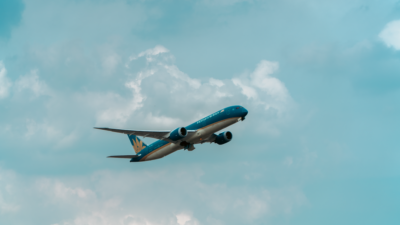
Understanding the Environment of Air Travel
Air travel opens up the world to us, but it also presents unique challenges to our health and well-being. With cabin air pressure equivalent to about 6,000 to 8,000 feet above sea level, lower humidity can lead to dehydration. Furthermore, being in close quarters with hundreds of people increases your exposure to germs. Recognizing these factors is the first step in planning for a healthy journey.
Stay Hydrated, Stay Happy
Dehydration is a common issue during flights. The low humidity levels in aircraft cabins, often below 20%, contribute to faster fluid loss than you might experience on the ground. To combat this, it’s essential to drink water regularly throughout your journey. Aim for about 8 ounces (240 ml) every hour. Carry a reusable water bottle and refill it after security. Herbal teas can also be a comforting alternative, providing warmth and hydration without caffeine’s diuretic effect.
Prioritize Sleep and Rest
Flying across time zones can disrupt your sleep cycle, leading to jet lag. To minimize its effects, try aligning your sleep schedule with the destination’s time zone a few days before your flight. On long-haul flights, make use of a good travel pillow, noise-canceling headphones, and an eye mask to maximize comfort and rest. Also, consider natural supplements like melatonin to help regulate sleep patterns.
Move Your Body
Sitting for extended periods can lead to discomfort and increase the risk of deep vein thrombosis (DVT). It’s crucial to keep moving. Stand up, stretch, and walk around the cabin every couple of hours. Simple exercises like ankle circles and seated leg lifts can also enhance circulation. Some airlines even provide in-flight exercise videos on their entertainment systems, so take advantage of these resources.
Nourish with Nutritious Snacks
Airline food options may not always be the healthiest. Bringing your own snacks can be a great way to ensure you’re nourishing your body properly. Choose options high in protein and fiber, such as nuts, seeds, or whole-grain crackers. Fresh fruits and vegetables that are easy to eat on the go can provide vitamins and minerals to keep your immune system strong. If you have dietary restrictions, packing your own food ensures you have safe and suitable options available.
Be Mindful of Germ Exposure
Airplanes are high-traffic environments, making them a breeding ground for germs. Use hand sanitizer frequently, especially before eating or touching your face. Consider wiping down your seat area with disinfectant wipes, focusing on tray tables, armrests, and seatbelt buckles. While wearing a mask is no longer mandatory, it can still be a protective measure during flu season or in crowded situations.
Practical Takeaway
Traveling by air doesn’t have to mean compromising your health. By staying hydrated, getting adequate rest, moving regularly, choosing nutritious snacks, and taking preventive measures against germs, you can ensure your journey is as healthy as it is exciting. These small, simple steps can make a big difference in how you feel both during and after your travels. So when you next board a flight, remember: a healthy traveler is a happy traveler.