Introduction to Noise Reduction in Aviation
Flying has always been synonymous with a certain level of noise. The hum of engines, the buzz of cabin announcements, and the overall cacophony of life at 35,000 feet. However, in 2026, a silent revolution is taking place. Airlines are investing in advanced noise reduction technologies, transforming the in-flight experience for passengers around the globe. Let’s delve into how these innovations are making air travel more serene and enjoyable.
Understanding the Science of Sound
Noise pollution in airplanes is not just annoying; it can lead to stress and fatigue. The average noise level in a commercial aircraft cabin during flight can range from 75 to 85 decibels. This is akin to the sound of a busy restaurant. Today, researchers are diving deep into the science of acoustics to create cutting-edge solutions that dampen these sounds.
Recent advancements have been made in understanding how sound waves can be absorbed or deflected. By focusing on materials that minimize vibration and new structural designs that limit sound transmission, aircraft engineers are setting new benchmarks. These innovations are leading to quieter cabins that foster relaxation and comfort.
Quiet Quarters: Innovations in Cabin Design
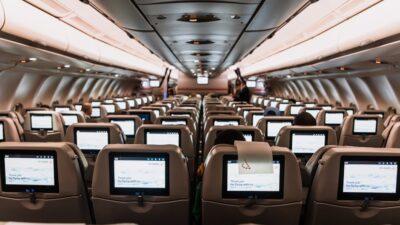
The transformation starts with the aircraft itself. Newer planes like the Airbus A350 and Boeing 787 Dreamliner are already incorporating advanced noise reduction materials. The use of composite materials and soundproofing insulation has significantly decreased cabin noise levels.
But it’s not just about materials. Smart design choices also play a critical role. For example, repositioning air vents and rerouting pipes to minimize engine sounds reaching the cabin. Seating arrangements and overhead bins are now designed to absorb sound waves, ensuring passengers enjoy a more peaceful journey.
Noise-Canceling Technology: An Auditory Oasis
Headphones have been a traveler’s best friend for years, but noise-canceling technology has taken a leap forward. Airlines are now equipping premium cabins with state-of-the-art headsets that offer unparalleled sound clarity and noise reduction capabilities.
Additionally, new aircraft models are integrating noise-cancellation systems directly into the cabin. Using a series of microphones and speakers embedded in the cabin, these systems analyze ambient noise and generate sound waves that cancel out unwelcome sounds. The result? An auditory oasis that allows travelers to focus on their in-flight entertainment or simply enjoy a restful nap.
The Role of Artificial Intelligence and Machine Learning
AI and machine learning are playing pivotal roles in this quiet revolution. Algorithms are being developed to predict and counteract noise patterns in real-time. These systems adapt to different phases of flight, ensuring optimal noise reduction from takeoff to landing.
Moreover, AI-driven simulations are helping engineers design quieter aircraft. By simulating sound propagation in virtual environments, engineers can optimize the placement of noise-reducing materials and technologies before even constructing physical prototypes.
The Practical Benefits of a Quieter Flight
The advantages of these innovations extend beyond comfort. Quieter flights mean less stress and fatigue for passengers, improving overall well-being and satisfaction. This has profound implications for business travelers who need to arrive at their destinations refreshed and ready to work.
For airlines, quieter cabins can mean higher customer satisfaction ratings, fostering loyalty and repeat business. Furthermore, noise reduction contributes to a more environmentally friendly image, aligning with broader sustainability goals in the aviation industry.
Practical Takeaway for Travelers
As you plan your next journey, consider flying with airlines that prioritize noise reduction technologies. Opt for newer aircraft models when booking your flights, and invest in high-quality noise-canceling headphones for an even more serene experience. The quiet skies are not just a dream—they’re a reality that’s rapidly becoming the norm.